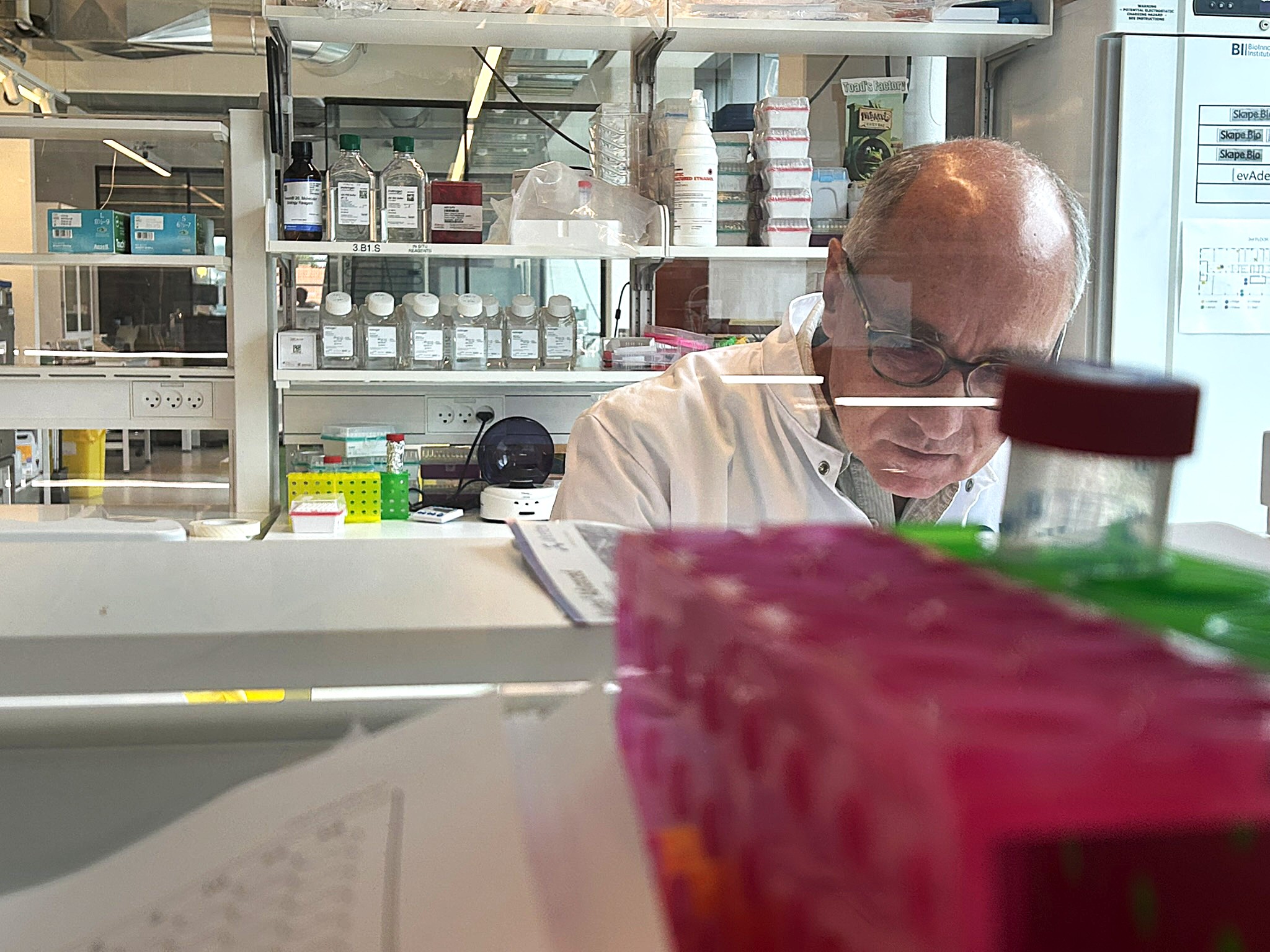
Translating Cell Biology into a Therapeutic Product
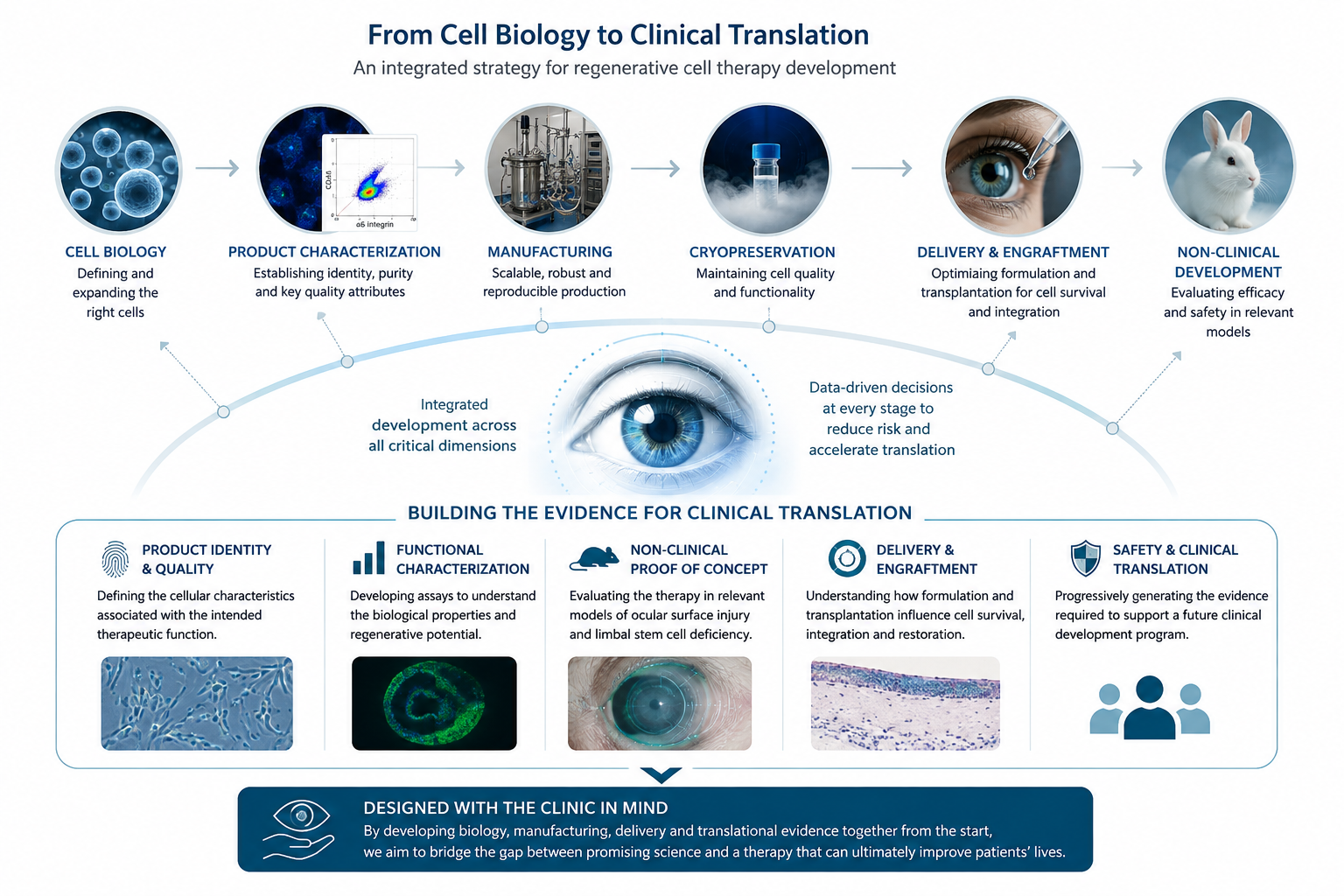
Developing a regenerative cell therapy requires more than generating the right cell type. From the beginning, our program is designed around the biological, manufacturing and translational requirements needed to progress toward clinical application.
At Corcellys, we integrate cell biology, product characterization, manufacturing, cryopreservation, delivery and non-clinical development within a single translational strategy.
Building the Evidence for Clinical Translation
Our development program combines in vitro characterization with relevant non-clinical studies to understand product performance, establish proof of concept and support the transition toward clinical development.
The translational strategy focuses on:
- Product identity and quality — defining the cellular characteristics associated with the intended therapeutic function.
- Functional characterization — developing assays to understand the biological properties and regenerative potential of the cell product.
- Non-clinical proof of concept — evaluating the therapy in relevant models of ocular surface injury and limbal stem cell deficiency.
- Delivery and engraftment — understanding how formulation and transplantation influence cell survival, integration and restoration of the ocular surface.
- Safety and clinical translation — progressively generating the evidence required to support a future clinical development program.
Designed with the Clinic in Mind
Our objective is to develop the therapy and its manufacturing process together rather than treating translation as a separate step later in development.
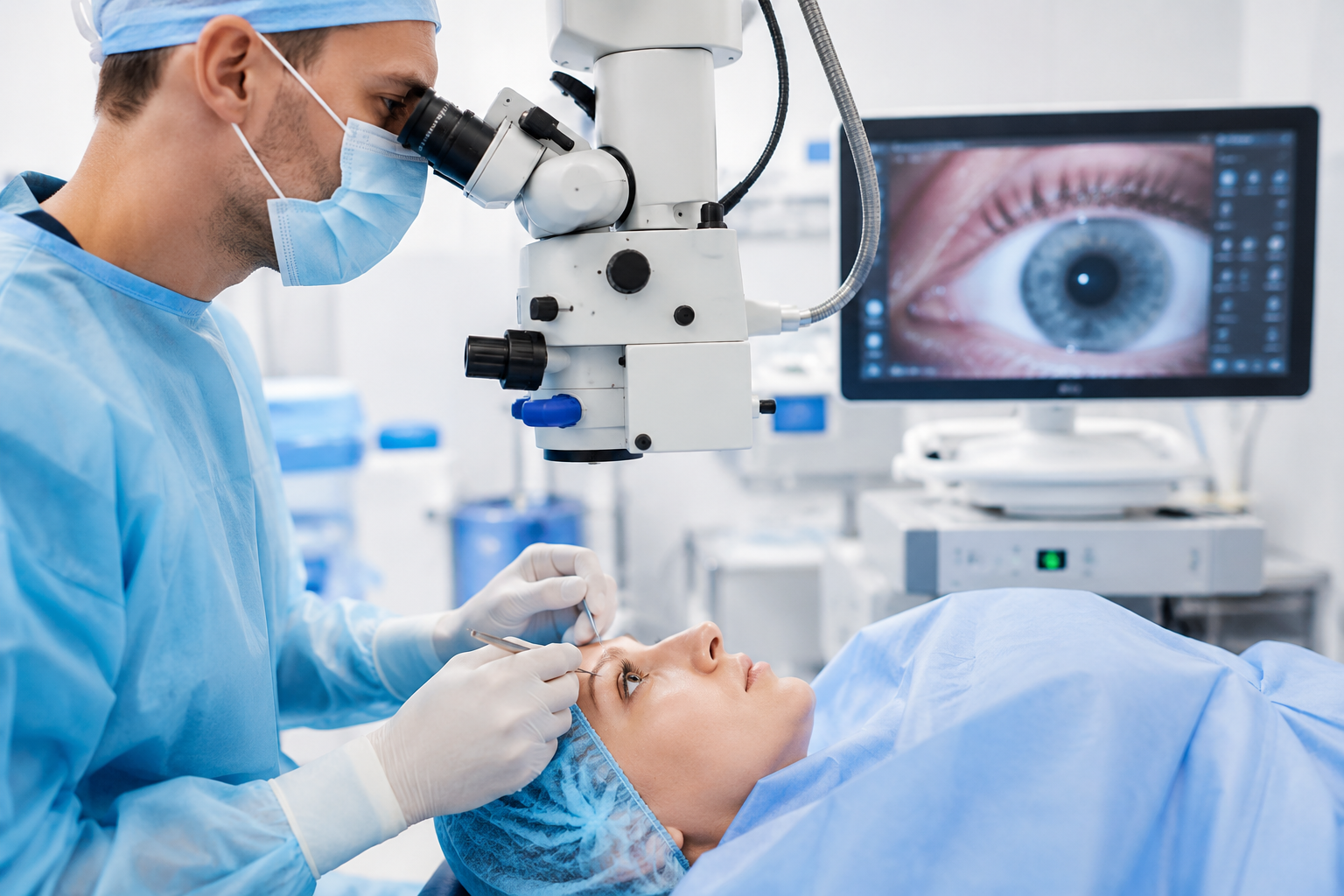
By considering product quality, cryopreservation, delivery, non-clinical performance and clinical implementation early, we aim to reduce the gap between promising cell biology and a therapy that can ultimately be used in patients.